longxia-philosophy
4 张图片 baoyu
#1
cover bg
01-cover-bg.png
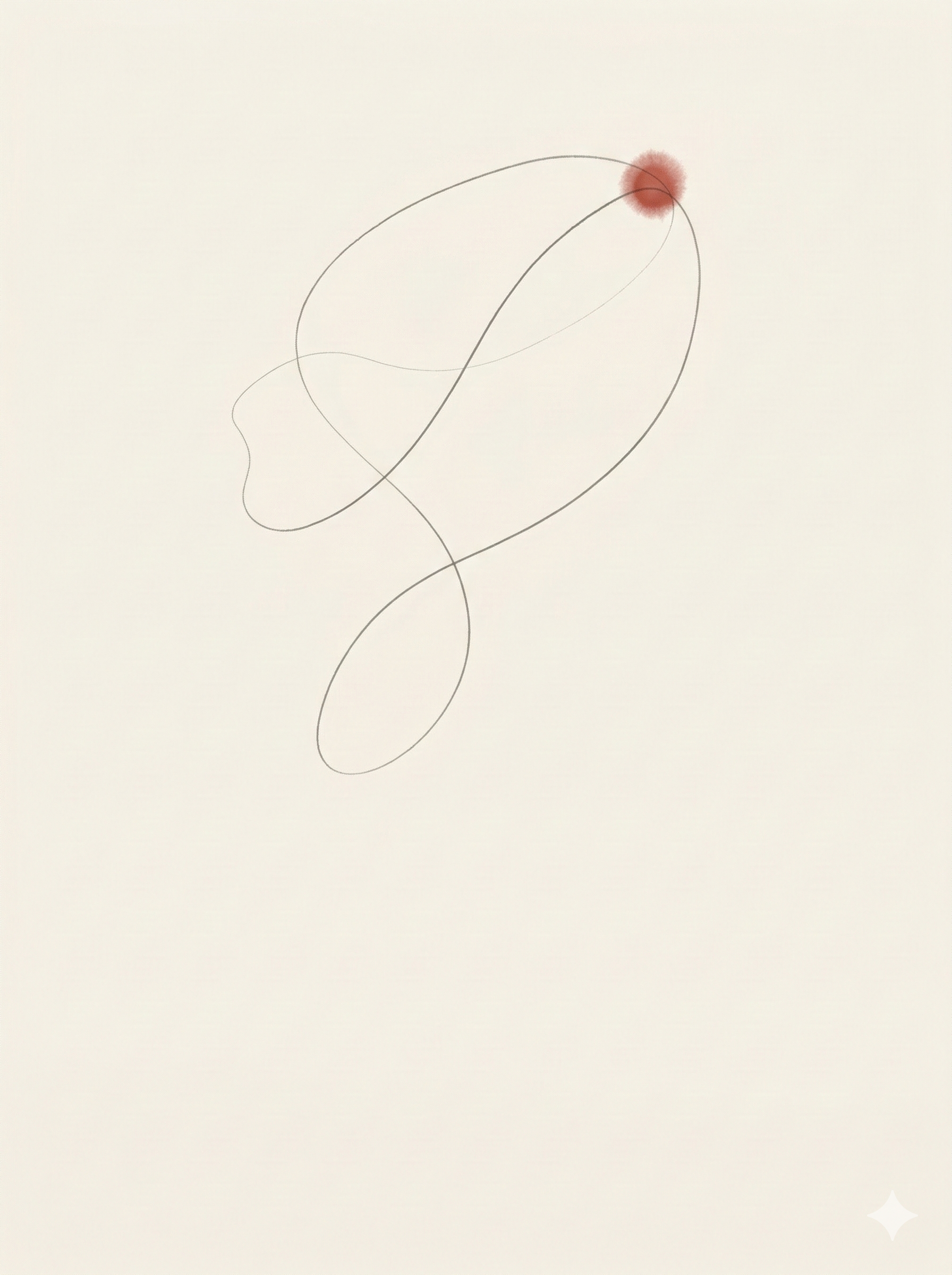
Create an abstract philosophical illustration for a Xiaohongshu cover page background:
- Portrait 3:4, warm cream background (#F5F0E8)
- Monochrome warm gray tones (#2C2C2C, #3D3D3D, #8A8A8A) only, with ONE subtle accent: a single touch of muted warm red (#C45B4A) at the curve point
- High-key, overexposed, ethereal — inspired by the delicate fragility of Ai Yazawa's NANA volume covers
- NO text, NO decorations, NO borders, NO cartoon elements, NO Chinese ink wash style
- This will be used as a background behind the article title, so keep the lower 30% relatively empty for text placement
## Article Theme
**Title**: 你可能不需要用 OpenClaw,但你需要见过它
**Core**: The difference between "using" and "seeing." OpenClaw is nicknamed "龙虾" (lobster).
## Visual Concept
A single, thin, elegant curved line — like a fine-point pen stroke — that traces the arc of a lobster's claw. But it's so abstracted that it could also be read as a question mark, a crack in glass, or simply a beautiful abstract gesture.
Just ONE line. Not a lobster. Not a drawing of a claw. A single sweeping curve that carries the memory of a claw's shape — the way a perfume carries the memory of a flower without showing one.
At the apex of the curve, a single small dot or bloom of muted warm red, like a drop of watercolor that hasn't fully dried. This is the only color in the entire image.
The rest is vast, contemplative, warm white emptiness. The line floats in the upper 40% of the canvas. Below: nothing. Air. Space for the title.
Style reference: the restraint of Ai Yazawa's cover art meets Giorgio Morandi's still-life emptiness. The image should feel fragile, like it might evaporate. Modern, minimal, Japanese book-cover aesthetic — NOT ink wash, NOT traditional, NOT illustrative.
#2
title bg
02-title-bg.png
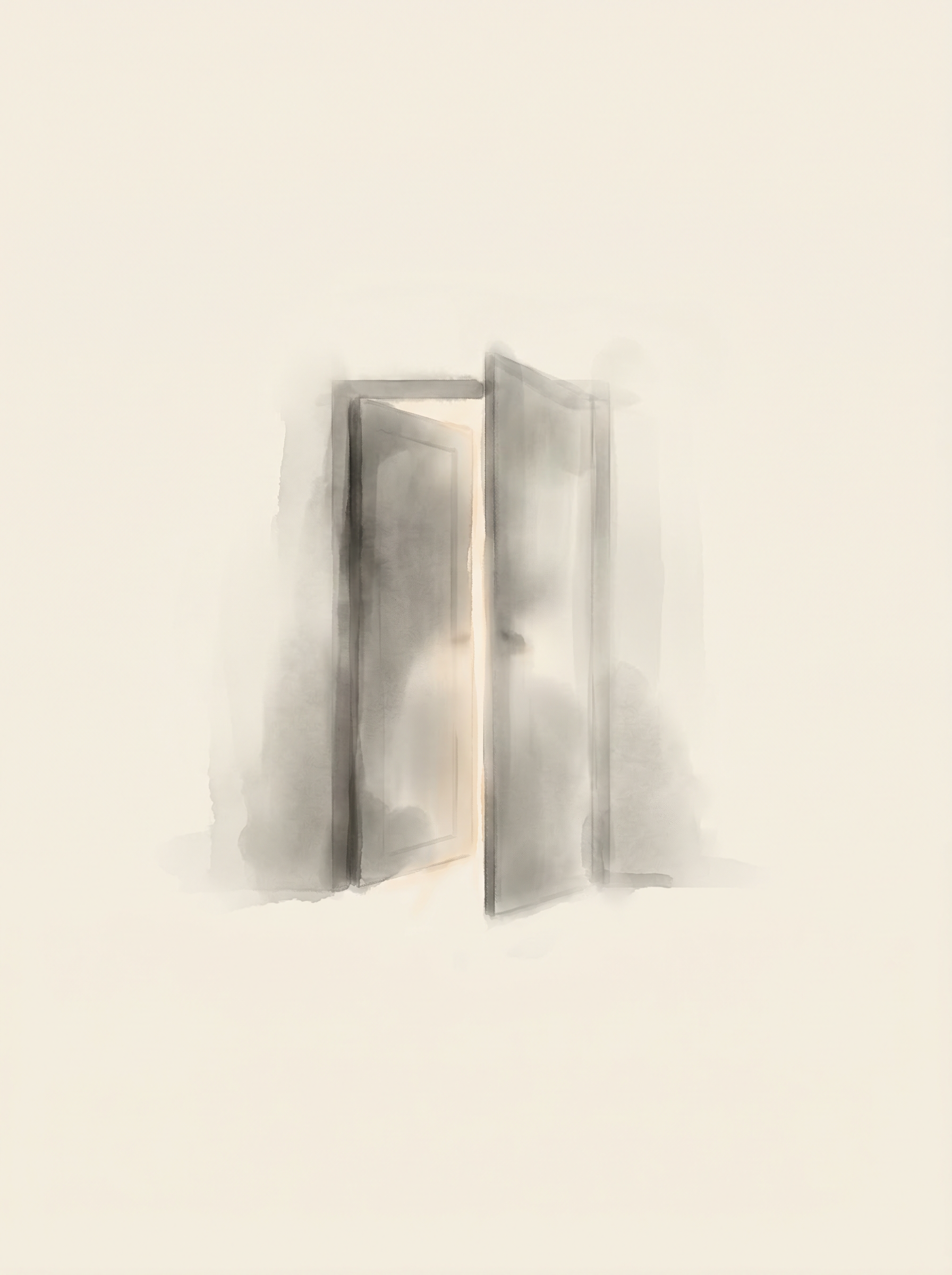
Create an abstract philosophical illustration for a Xiaohongshu title page background:
- Portrait 3:4, warm cream background (#F5F0E8)
- Monochrome warm gray tones (#2C2C2C, #3D3D3D, #8A8A8A) only
- High-key, overexposed, translucent faded watercolor rendering
- The illustration should feel ethereal, almost dissolving into the background
- NO text, NO decorations, NO borders, NO cartoon elements
- This will be used at 8-12% opacity as a ghostly background, so the illustration itself should be rendered at full opacity but designed to work when faded
## Chapter Theme
**Title**: 「用」和「见」是两件事
**Content**: The distinction between "using" something and "seeing" (experiencing/understanding) it. You don't need to use a tool to benefit from it — just seeing what it can do creates an irreversible cognitive update.
## Philosophical Tension
Plato's Cave — you don't need to leave the cave, but you need to know there's light outside. The gap between passive observation and active participation.
## Visual Concept (Suggestion, Not Statement)
A single half-open door or threshold in the center of the composition. Behind it: a soft, diffused glow — you can sense something is there but cannot see it clearly. The door is slightly ajar, revealing a thin sliver of warm light.
The viewer should feel: there is a world beyond this threshold that I haven't crossed, but now I know it exists.
Render in the style of Hiroshi Sugimoto's minimalist meditation — extreme stillness, blurred boundaries between presence and absence. The door should look like it might dissolve if you stare too long.
Large empty space above and below the illustration. The illustration occupies roughly the center 40% of the canvas vertically.
#4
title bg
04-title-bg.png
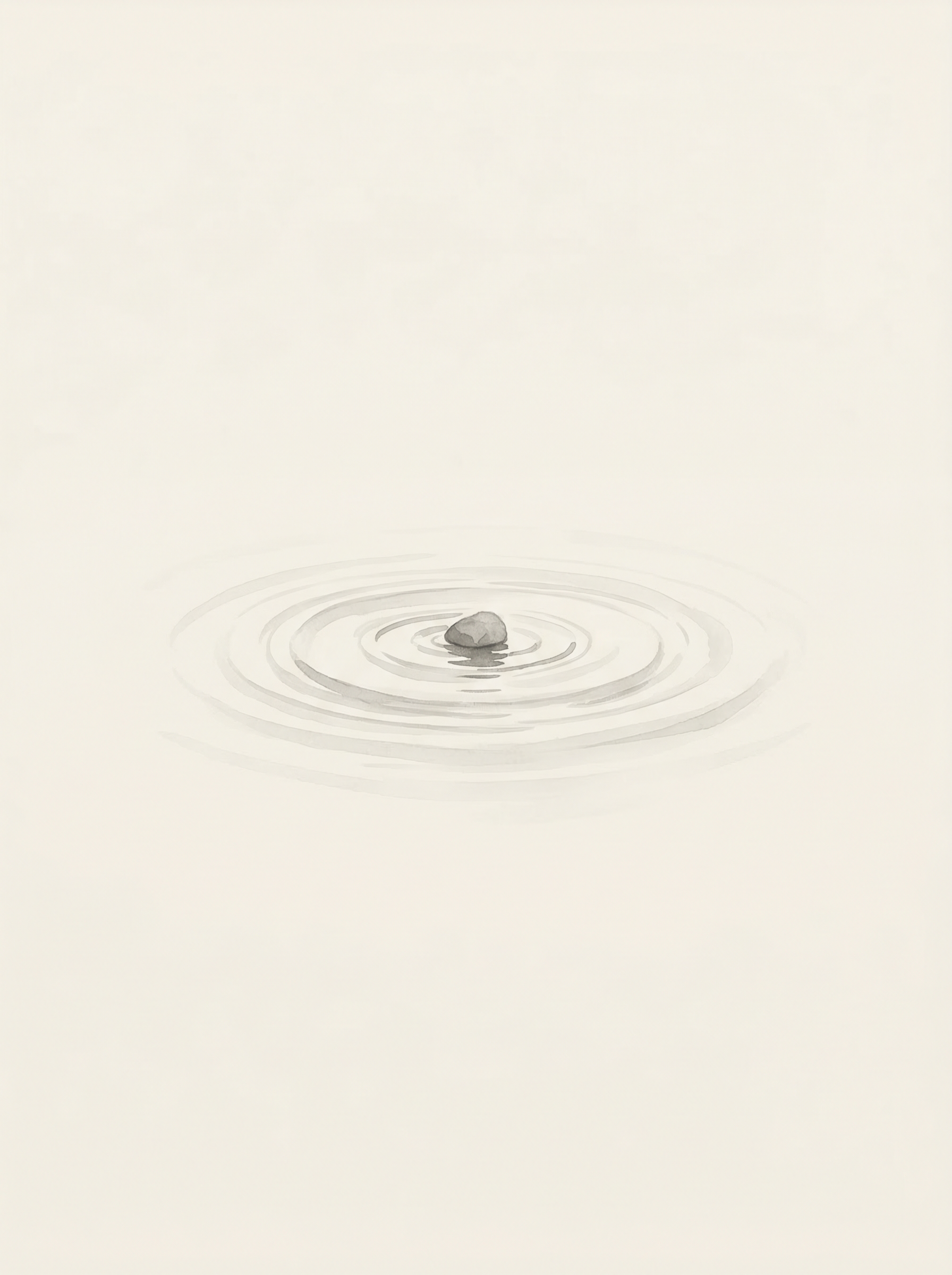
Create an abstract philosophical illustration for a Xiaohongshu title page background:
- Portrait 3:4, warm cream background (#F5F0E8)
- Monochrome warm gray tones (#2C2C2C, #3D3D3D, #8A8A8A) only
- High-key, overexposed, translucent faded watercolor rendering
- The illustration should feel ethereal, almost dissolving into the background
- NO text, NO decorations, NO borders, NO cartoon elements
- This will be used at 8-12% opacity as a ghostly background, so the illustration itself should be rendered at full opacity but designed to work when faded
## Chapter Theme
**Title**: 碰过之后,你的认知会怎么变
**Content**: After touching/experiencing AI agents, your cognition changes irreversibly. You start seeing automation opportunities everywhere. You understand the weight of permissions. You learn that not everything should be delegated to AI. This calibrated intuition cannot grow from thin air — you have to experience it firsthand.
## Philosophical Tension
The act of touching/experiencing something creates a permanent cognitive shift. Like eating from the Tree of Knowledge — once you see, you cannot unsee. The boundary between ignorance and awareness is a one-way door.
## Visual Concept (Suggestion, Not Statement)
A single glass prism floating in empty space, with a thin beam of warm light entering from one side and splitting into multiple faint, diverging rays on the other side. The prism represents the moment of cognitive refraction — a single experience (input) creates multiple new ways of seeing (output).
The rays should be barely visible, like whispers of light fading into the cream background. The prism itself should be translucent and ghostly, more suggestion than object.
Alternatively: a calm water surface with a single small stone barely touching it, creating the very first ripple rings expanding outward — the moment of "touching" that changes everything.
Render in the style of Giorgio Morandi — quiet contemplation, everyday objects rendered with sacred stillness. Large empty space around the illustration.
#6
title bg
06-title-bg.png
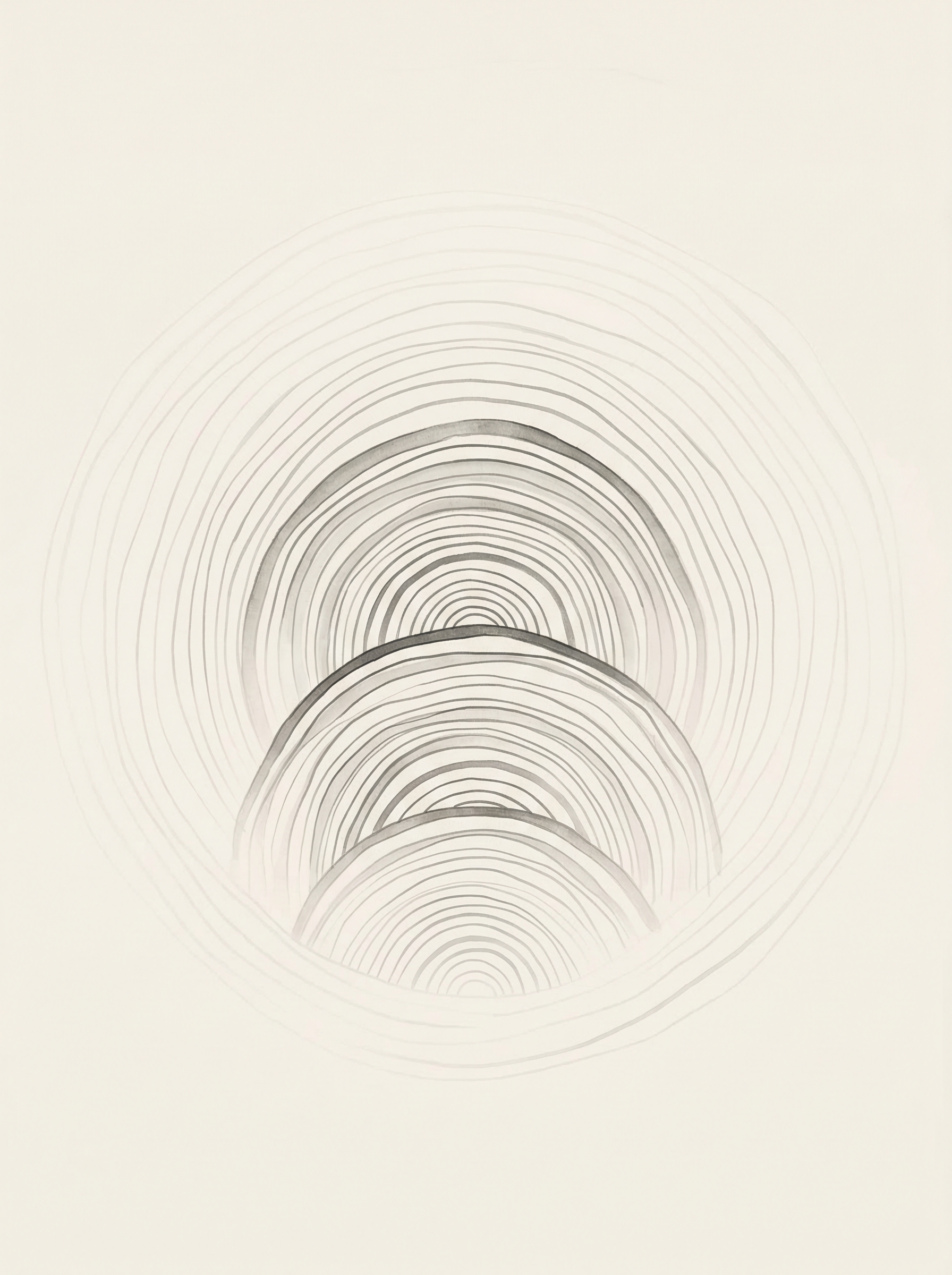
Create an abstract philosophical illustration for a Xiaohongshu title page background:
- Portrait 3:4, warm cream background (#F5F0E8)
- Monochrome warm gray tones (#2C2C2C, #3D3D3D, #8A8A8A) only
- High-key, overexposed, translucent faded watercolor rendering
- The illustration should feel ethereal, almost dissolving into the background
- NO text, NO decorations, NO borders, NO cartoon elements
- This will be used at 8-12% opacity as a ghostly background, so the illustration itself should be rendered at full opacity but designed to work when faded
## Chapter Theme
**Title**: 这不是Web3,历史总是押同一种韵脚
**Content**: This is NOT Web3 — AI agents solve real productivity problems, not narrative-driven speculation. But history rhymes: like iPhone in 2007 ("who needs a touchscreen?"), like 4G enabling apps nobody imagined, today's "pointless tinkering" becomes tomorrow's common knowledge. The gap opens not when tools mature, but when you decide to touch or wait.
## Philosophical Tension
Nietzsche's eternal recurrence — history doesn't repeat but it rhymes. Each technological revolution follows the same arc: dismissal → tinkering → ubiquity. The question is which side of the arc you're on when the inflection point arrives.
## Visual Concept (Suggestion, Not Statement)
A series of ocean waves viewed from above, rendered as concentric arc lines — like tree rings or geological strata. Each wave/ring is slightly different but follows the same fundamental pattern. The outermost rings fade into the cream background, suggesting that the pattern continues beyond what we can see.
The waves should feel ancient and inevitable, like the rhythm of history itself. Not dramatic crashing waves, but calm, measured, repeating patterns — each one a technology cycle, each one rhyming with the last.
Render in a blend of Sugimoto's seascapes and Magritte's questioning of reality. The waves should be ambiguous — are they water? Sound waves? Time itself? Large empty space around the illustration.